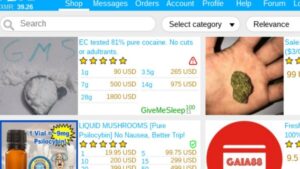
Unlike legitimate websites, the dark web isn't governed by takedown policies or centralized control, making it nearly impossible to track or erase your data completely. That's because data sold or shared in these underground networks is quickly copied, redistributed and stored across multiple anonymous platforms. Not all personal information is valued the same on the dark web. Here's what your information is worth and how to protect it. Your personal information can sell for upwards of hundreds or even thousands of dollars on the dark web—and you might not even know it's even out there to begin with. The average price for your personal information can range from as little as $1 to more than $4,000.
Card Phishing Phone Calls And Emails
Most data bought and sold on dark web marketplaces is stolen through phishing, credential stuffing, data breaches, and card skimmers. Most of use just have the standard personal account, but Premier and Business accounts also exist, and are up for sale on the dark web. US$17.36 is the average price for a credit card number, CVV, expiration date, cardholder name, and postal code—the basics.
Advertising Carding On Legitimate Platforms
With data breaches happening more frequently, your credit card details could already be circulating on the dark web—without your knowledge. This category, known as Dumps on the dark web, encompasses the raw magnetic strip data of credit cards. Fullz includes full personal details as well as financial details such as bank account details or social security numbers, which can be used for a full account takeover or identity theft. In addition to just selling credit card details, some threat actors offer a “complete package” often referred to as “Fullz”. Indeed, in the last six months of 2020 alone, threat actors offered more than 45 million compromised cards for sale in underground credit-card markets monitored by security firm Cybersixgill, the company said in a report.
Compromised Online Account
Emily Lockwood, a staff content marketing manager at LifeLock, uses her expertise to educate users on staying safer against scams, identity theft, and data breaches online. This can happen if they’ve stolen your card number through one of the methods mentioned above, such as skimming or phishing. With contactless payments, thieves can use radio frequency identification (RFID) technology to skim your card’s information if they’re close enough to the card reader. Criminals then use these stolen numbers for online purchases.

Not only is stealing someone’s credit card illegal but then selling that is also illegal, and then someone else using the stolen credit card is illegal too. Some have fresher cards that were just stolen yesterday so finding good credit card dump vendors is highly sought after. The dark web is a notorious part of the internet where illegal activities, such as the sale of stolen credit card numbers, often take place. In fact, the overwhelming majority of leaked credit cards in past months originate from Telegram channels.
IOTW: HTC Confirms Cyber Attack As BlackCat Ransomware Gang Teases Stolen Data
But it’s not just the dark web that poses a problem if payment card data is stolen—it’s the entire “cybercrime underground,” says David Capezza, senior director of payment fraud disruption at Visa. According to researchers at Cyble, the hackers unleashed these details to promote their cyber crime marketplace and over 20% of the credit cards are still valid. The current leak of one million credit cards by the threat actor appears to be another marketing move to attract potential clients from hacking and cybercrime forums and increase the platform’s popularity.

Over 12 Million Credit Card Numbers Leaked On Hacking Forum
Dark web credit cards are often sold on online marketplaces, which can be accessed through specialized browsers like Tor. Stolen credit card details can be categorized into different types, making it easier for cybercriminals to exploit them. Dark Web credit cards can be a nightmare for victims, often leaving them with significant financial losses and damaged credit scores. Dark web credit card numbers are stolen card details sold on hidden websites. In conclusion, the trade of stolen credit card numbers on the dark web poses grave consequences for both victims and perpetrators. The dark web has become infamous for its illicit activities, one of the most notable being the trade of stolen credit card numbers.

Cybercriminals And Customers
“We report when we see security issues—missing patches, nonsupported software, or using out-of-date versions of programs,” and then recommend steps for remediation. Mador recommends that merchants carry out penetration testing, via a third-party security company, to scan websites and applications on an ongoing basis. “Then there needs to be education and awareness around what social engineering activities look like because we’re finding there’s a lot of technical controls that are very effective, if they’re done right, at keeping your data secure.” “You have to be on the proactive side of understanding what those threats are.”
Using Virtual Payment Cards
The sale of data, also known as carding, references the misuse of stolen credit card numbers or identity details. Millions of debit and credit cards have been leaked on the dark web amid an explosion in the number of devices infected by data-stealing malware, according to cybersecurity and anti-virus firm Kaspersky. Since the details of the credit cards were freely available online, it’s likely the card issuers have already been informed about the leak, though it remains unclear how many people could have had their credit cards used in that time. Over the weekend, the stolen credit card marketplace called BidenCash announced they were offering a free giveaway of 1,221,551 credit cards, promoting the leak on multiple other sites. Criminals are abusing mainstream social media applications to advertise stolen data, in this case by brazenly posting full stolen credit card data to the Threads app.
Once affected users’ personal info is obtained, fraudsters can log into those users’ accounts or even install malware into their systems to steal more sensitive data. From physical theft to advanced cybercrime, there are multiple methods fraudsters use to intercept data from credit, debit, and prepaid cards. In Vice’s 2018 video, the anonymous credit card scammer is asked about the people whose payment information is being stolen. A 2018 special report from Vice shows an anonymous scammer browsing stolen credit card numbers on the dark web. I’ve seen cases where security teams identified compromised card data from their institution appearing on the dark web weeks before they traced the actual breach point.
Risks Of Using Stolen Credit Card Numbers
While this may be an overly simplified example, it highlights the journey credit card details make once they are stolen. But low price points mean it’s not worth the effort involved for criminals to sell stolen credit card numbers individually. A single consumer’s stolen credit card information can sell for up to $110 dollars, depending on the amount of supplementary data included. But as data breaches, online shopping and virtual economies become part of everyday life, credit card fraud is likely to continue. Understanding the implications of stolen credit card numbers on the dark web can help in taking proactive measures to protect oneself. In this shadowy realm, hackers can obtain credit card details through various means, including phishing campaigns, malware attacks, and data breaches.
- These stats highlight the scale of credit card fraud on dark web markets.
- B1ack Stash’s primary motive from the outset has clearly been financial gain, which they have pursued by building a strong reputation as a card seller within the carding community.
- Stolen credit card numbers are often used for online shopping sprees or to make in-store purchases through digital wallets.
- Join us as we break down and discover the methodologies of card fraud using our dark web monitoring tool, Lunar.
- Starting on September 12, 2024, SpyCloud security researchers noticed new accounts – some with upwards of over 12,000 followers – posting credit card details and even photos of physical credit cards and debit cards.
Cyberint, the Impactful Intelligence company, reduces risk by helping organizations detect and mitigate external cyber threats before they have an adverse impact. According to them, this gesture was their way of saying thank you for choosing b1ack’s Stash for carding needs. The threat group mentioned that users could claim their share by signing up at their shop and visiting the freebies section. The data format, which includes user agents and victim IP addresses typically observed in both local and global phishing attacks, allows us to assert with high confidence that it originated from such activities.
Flare’s Dark Web Monitoring platform monitors dozens of .onion sites for credit card fraud, BINS and other financial fraud related data. Stolen credit cards are also harmful to the businesses from which they were stolen in the first place. The fraudulent credit cards were used to purchase gift cards, flights, hotels stays, and other goods and services. While consumers are typically protected from direct financial losses, dealing with credit card fraud is incredibly disruptive. Occasionally, data dumps containing credit card details or other sensitive information are also shared directly within the forums. Discover the pros and cons of using credit cards or card for purchases, including benefits and risks, to make informed financial decisions.
Threads is a feature-rich platform, and threat actors are clearly using Threads’ features and functionality, including taking advantage of suggested content, polls, and trending social tags to promote stolen financial data. There are also scammers that advertise using stolen cards recycled from other sources, entice people to buy a fake premium offering, take their money, and then never deliver any additional data. In most cases, actors post the details of a limited number of stolen cards as a way to advertise that they have a larger and constant stream of fresh cards available for purchase. Threads post containing detailed financial card information, including what appears to be an account balance or credit limit. Visa also takes a “prevent and disrupt,” approach, explains Capezza, to devalue stolen card data. Given the growing cybercrime underground, payments professionals should be aware of the dark web and illicit activities all over the internet, and aid merchants and customers in securing payment card data before it is breached.
Transactions can occur incredibly fast, making it difficult to track where data is being moved. When this sort of targeted theft happens to hundreds, thousands or millions of victims at once, even small data breaches can have wide-reaching repercussions. This is also why data breaches can have such a devastating impact on victims. Selling in bulk guarantees a lucrative payout—even if the fraud is unsuccessful. If a gift card order is not accepted, repeat the warming-up (the previous step) after 5-10 minutes.