To truly appreciate the impact of PEA on our brain function, we must first understand its chemical structure and properties. The discovery of phenylethylamine dates back to the late 19th century when it was first synthesized in a laboratory. This fascinating molecule has been captivating scientists and health enthusiasts alike due to its profound effects on our mood, cognitive function, and overall well-being. Buckle up, fellow brain explorers, as we embark on a mind-bending journey through the synaptic seas, where a potent molecule orchestrates the symphony of our emotions and cognition. Its ability to stimulate dopamine and norepinephrine makes it a promising supplement for those seeking cognitive enhancement or mood support.
4 Β-PEA Was Self-Administered Under Fixed Ratio Schedules Of Reinforcement In Rats
N-benzyl substitution was found to be the exception, increasing affinity and potency at the receptor . HIV-1 reverse transcriptase receptor (HIV-1 RT) is a well-explored target for antiretroviral therapies . Tejler et al. described the synthesis of lactose derivatives, such as 121 with the phenethylamine moiety by 1,3-dipolar cycloadditions, with selective galectin-1 inhibition (Figure 14). Due to being controlled substances in most countries, the number of compounds is constantly increasing, trying to avoid the introduction of compounds in the corresponding prohibition lists of each state 164,167.
9 Dopamine Transporter (DAT)
The 2C drugs act as agonists of the serotonin 5-HT2 receptors, including of the serotonin 5-HT2A, 5-HT2B, and 5-HT2C receptors. While it is true that many health risks exist when it comes to combining phenylethylamine and other drugs, it is probably fair to say that the greatest danger of phenethylamine is when it is used in isolation. Only one study demonstrated that β-PEA induced a CPP in dogs , and a few studies previously reported that PEA derivatives and NBOMes produced rewarding and reinforcing effects via stimulation of dopaminergic neurotransmission in CPP and self-administration studies 44,45. Ring-substituted phenethylamines, commonly known as 2Cs, are designer drugs that are emerging as new drugs of abuse. Thus, excited delirium victims are unable to compensate for rapidly elevating dopamine levels after cocaine use, potentially overstimulating the post-synaptic receptors 30–32. The phenethylamine-based structure is actually shared among amphetamines, catecholamines, cathinones, and many other drugs.
In the specific case of psychoactive phenethylamines, bibliographic research conducted on the main databases (i.e., Scopus from Elsevier and PubMed from MEDLINE), allowed us to identify only one publication on the in vivo genotoxicity of methamphetamine and one of the cathinone mephedrone . NPS are defined as “new narcotic or psychotropic drugs, in pure form or in preparation, that are not controlled by the United Nations drug conventions, but which may pose a public health threat comparable to that posed by substances listed in these conventions” . Psychedelic and stimulating phenethylamines belong to the family of new psychoactive substances (NPS).
Novel Phenethylamines And Their Potential Interactions With Prescription Drugs: A Systematic Critical Review
Chronic cocaine use may cause abnormal dopamine processing in the mesolimbic pathway, resulting in hyperactivity and hyperthermia 28, 29. The pathophysiology of excited delirium is believed to primarily involve dopamine and has been previously described with cocaine use . One clinical effect, which can lead to death and appears to be linked to 2C intoxication, is excited delirium. The combination of clinical effects and the mechanisms of action may give us insight into possible mechanisms of toxicity or death. At the peak of the high, the user experienced “extreme hallucinations” and suicidal thoughts, lasting for approximately 30 min 3, 9.

May Improve Moods And Reduce Depression
Phenethylamine is a monoaminergic activity enhancer (MAE) of serotonin, norepinephrine, and dopamine in addition to its catecholamine-releasing activity. It is roughly equipotent to amphetamine in this regard in vitro. Skydiving has also been shown to induce a marked increase in urinary phenethylamine concentrations. Endogenous extracellular tissue levels of trace amines measured in the brain are in the low nanomolar range. Brain levels of endogenous trace amines are several hundred-fold below those for the classical neurotransmitters noradrenaline, dopamine, and serotonin, but their rates of synthesis are equivalent to those of noradrenaline and dopamine and they have a very rapid turnover rate.
The reinforcing strength of β-PEA self-administration under the progressive ratio (PR) schedule of reinforcement in rats. (I) Representative hatch marks indicate the infusion patterns of saline and β-PEA for 2 h at the final self-administration session of the FR3 schedule. (E–H) Mean number of infusions and drug intake under FR1 (E,F) and FR3 (G,H) schedules of reinforcement. (B–D) Number of infusions (B), active lever (C), and inactive lever (D) pressing responses during 2 h session β-PEA self-administration under FR1 and FR3 schedules. Effects of β-PEA on self-administration under fixed ratio (FR) schedules of reinforcement in rats.
David Diez

Indeed, it is not possible to define a No-Observed-Adverse-Effect Level (NOAEL) for genotoxic substances, but by simply increasing the dose and the exposure the likelihood that damage will occur increases . It could be asked whether they are reachable in vivo and comparable to the level of phenethylamine detectable in the human serum upon intake. With regards to amphetamines, Luethi et al. investigated oxidative stress in HepG2 cells, highlighting, for example, the ability of amphetamine, 4-fluoroamphetamine, and 4-chloroamphetamine to increase mitochondrial superoxide levels .
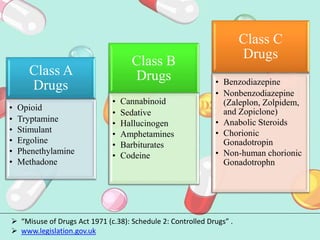
Is Phenethylamine A Controlled Substance?
- For a fact, international concerns for phenethylamine have increased and in the UK phenethylamine was outlawed in 2002 and is now considered as a Class A (Schedule I) drug.
- On the basis of studies we had conducted with amphetamine-related phenylisopropylamines, as well as with cathinone and methcathinone, we suspected that the synthetic cathinones would behave in a similar manner (i.e., acting primarily as releasing agents at DAT).
- For example, the phenylethylamine (1; Figure 2) moiety is found embedded in the potent hallucinogenic agent lysergic acid diethylamide (LSD, 2) – not an “approved” agent (i.e., a U.S. Schedule I Controlled Substance not found in DataBank), the analgesic agent morphine (3), the antidepressant venlafaxine (4), the atypical antipsychotic agent ziprasidone (5), and the appetite suppressant lorcaserin (6), just to mention a few.
- Ultrasonic vocalizations (USVs), an index of the affective state, have been used in preclinical models of substance abuse and in studies of motivation leading to craving or drug use in rodents .
A tetrahydroisoquinoline analog of MDMA (i.e., TDIQ, 68) is a case in point.86,87 TDIQ resulted in partial generalization when administered to MDMA- or (-)ephedrine-trained animals, and in vehicle-appropriate responding in (+)amphetamine-, DOM-, and PMMA-trained trained animals. Many of the agents described herein are drugs of abuse, and nearly all of these phenylalkylamines possess conformationally-flexible side chains. With regard to cathinone analogs that acted as dopamine releasing agents, effects were generally enantioselective with the S(-)isomers being several-fold more potent than their R(+)enantiomers.
Nevertheless, the levels of PEA in food are relatively low compared to the amounts that might produce noticeable effects. Supplements containing phenethylamine are frequently promoted as stimulants or mood enhancers in dietary products. Generally, pure phenethylamine is not listed as a controlled substance, allowing for its legal purchase and possession.
Figure 14
Nevertheless, PEA (1)-caffeine combinations require investigation in documented scientific studies. It should be noted that (+)amphetamine produces a stimulant effect in humans at a total dose of 10 to 30 mg. It might be noted, however, that although phenylpropanolamines act both as releasing agents at NET and DAT, they are generally more potent at the former. Structures of S(+)amphetamine S(+)AMPH, S(+)methamphetamine S(+)METH, and their phenylpropanolamine counterparts. The naturally-occurring (-)ephedrine (53), the most potent of the phenylpropanolamines as a central stimulant, is several times less potent than amphetamine or methamphetamine. Depending upon stereochemistry, norephedrine is the β-OH analog of amphetamine whereas ephedrine is the β-OH analog of methamphetamine; the other two optical isomers are referred to using the prefix “pseudo” (Figure 11).
Taken together, the results indicated that S(+)α-ET was, primarily, a DOM-like agent, R(-)α-ET was more of a (+)amphetamine-like agent, and that both isomers produced a PMMA-like effect. Both α-methyltryptamine (α-MeT, AMT, “Spirals”; 101) and its homolog, α-ethyltrypamine (α-ET, AET, “ET”; 102), have been found on the clandestine market since the 1960s as abused substances. We developed 5-methoxy-N,N-dimethyl-N1-benzenesulfonyltryptamine (MS- 245; 93) (Figure 18) as one of the first 5-HT6 receptor antagonists (reviewed113).
ToxCard – Novel Phenethylamines: 2-C And N-BOME
(2) FDA has not approved a marketing application for a drug product containing DOI or DOC for any therapeutic indication. As such, DEA proposes to schedule DOI and DOC as controlled substances under the CSA. Based on consideration of the scientific and medical evaluation and accompanying recommendation of HHS, and on DEA's own eight-factor analysis, DEA finds that these facts and all relevant data constitute substantial evidence of potential for abuse of DOI and DOC. Thus, it is not possible to determine whether DOI and DOC produce physiological dependence following acute or chronic administration. According to HHS, the physiological dependence liability of DOI and DOC in animals and humans is not reported in scientific and medical literature. Thus, serious adverse events that may include death represent a risk to the individual drug users and to public health.
Thirty minutes of moderate- to high-intensity physical exercise has been shown to induce an increase in urinary phenylacetic acid, the primary metabolite of phenethylamine. An ADHD biomarker review also indicated that urinary phenethylamine levels could be a diagnostic biomarker for ADHD. A much more convenient method for the synthesis of β-phenethylamine is the reduction of ω-nitrostyrene by lithium aluminium hydride in ether, whose successful execution was first reported by R. Analogues of phenethylamine with the ethylamine side chain extended or shortened include phenylpropylamine and benzylamine. The N-methylated derivative of phenethylamine is N-methylphenethylamine. Dopamine is simply phenethylamine with a hydroxyl group attached to the 3 and 4 position of the benzene ring.