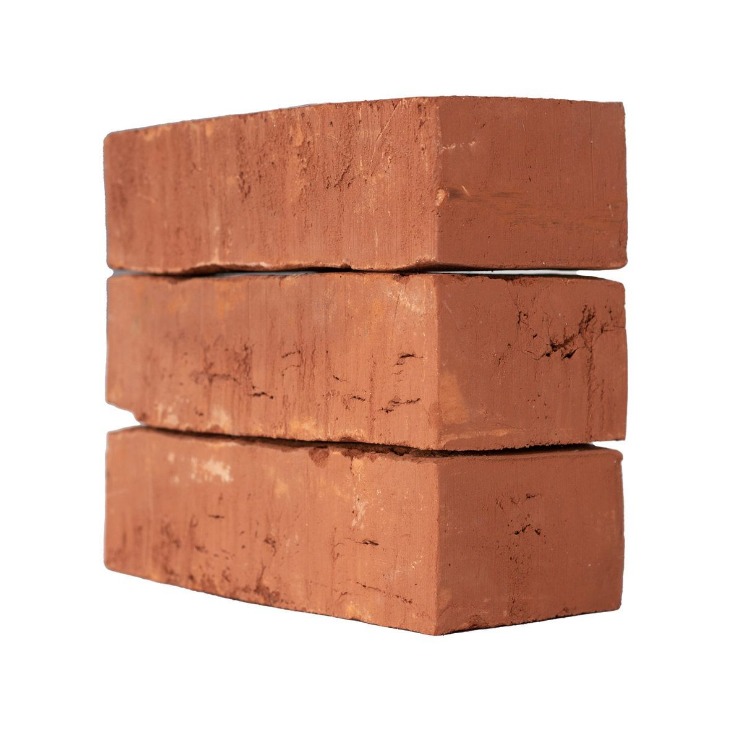
Innovation in product design substantially boosts the concrete blocks and bricks market growth through improving their functionality and enchantment. Some of the different types of bricks available in the market are clay bricks, concrete bricks, sand-lime bricks, and fly-ash bricks. The Bricks market is currently experiencing moderate growth due to the increased demand for sustainable and energy-efficient building materials.
Like John Nicholas Brown II before them, Carpenter and Dick wanted the building to have a purpose before renovations commenced, so they partnered with the Newport Historical Society to restore the Brick Market into a museum and exhibit space. The building once again fell into disrepair in the 1970s-1980s. Desiring not to undertake the interior restoration until a future tenant for the building was decided, Brown made a deal with the City to complete the restoration if they leased the Brick Market to the Chamber of Commerce for a low cost. Willcutt & Sons, the construction company chosen by Brown, estimated the project would cost $9,000-10,000.

Customize Brick Market Report Market Research Report
Of course, that evolution marks all the more the resilience and adaptability true to this market and its relevance in a very dynamic and increasingly eco-conscious world. Bricks, by their very nature, have taken on a significant role in building structures for centuries and remain an essential element of architectural landscapes worldwide. Executed hundreds of consulting projects in various markets since 1998. Helping clients grow through game changer ideas, robust market and unmet needs analysis. Request the impact of COVID-19 on your product or industry Overall, it offers valuable and comprehensive insights into the market dynamics in a formal and easily understandable manner.
Against this backdrop, these principals will steer the future course of the industry to rapidly meet the rapidly growing global demand in an environmentally friendly manner. The global brick industry is extremely competitive but innovative, committed to delivering products while being concerned for sustainability in this industry. Another key player and leader in Europe is Wienerberger AG, which offers an overall portfolio ranging from clay blocks to facing bricks.
Newport Illumin- Ated Boat Parade
The increased severity of COVID-19 infection encouraged governments to impose nationwide lockdowns, which created a shortage of workers and raw materials, hindering the production of bricks. Additionally, bricks are used as an alternative to stones for construction purposes. Fly-ash bricks utilize industrial waste and cut firing energy, aligning with green-building codes and helping meet aggressive emissions-reduction targets.
Brick Market By Size Shipment Analysis By Value From 2018 To 2030:
In the bricks market, the standard segment pertains to widely adopted sizes conforming to industry standards. In an era where construction trends are shifting towards green building practices and cutting-edge design aesthetics, the lack of innovation in the bricks market poses a challenge. Traditional brick production methods have seen limited advancements, potentially hindering the market's ability to meet evolving demands in the construction industry.
Additionally, stringent building codes and regulations promoting energy-efficient materials further drive the adoption of bricks. The robust nature of bricks makes them well-suited for heavy-duty applications, contributing to the resilience and longevity of infrastructure projects globally. A prevailing trend in this segment involves the increasing preference for durable and cost-effective materials, positioning bricks as a fundamental choice for infrastructure development. Architects and builders are increasingly incorporating innovative brick designs and eco-friendly materials to meet the demand for aesthetically pleasing yet environmentally conscious residential structures.
ACME Brick Company:
Enhancements in brick manufacturing processes and material make it possible for companies to reach new market opportunities. This scenario of building solutions with personalization fits into the changed preferences of property developers and homeowners for unique though durable building materials. One of them sees sustainability become the number one issue to drive the industry toward eco-friendly practices and materials.
Login To Your Account To Access Report Details
Such bricks are generally made from recycled materials or produced by energy-efficient means and, thus, are more attractive to green consumers and regulatory institutions. Infrastructure renewal and urban renewal in developed economies sustain the demand for high-quality bricks, which must strictly meet regulatory standards. Digital and automation tools allowing innovations in brick design and construction methods are going to revolutionize this sector, improving efficiency and precision in building projects. This enduring eminence has developed due to certain features intrinsic to bricks—features of strength, wide applicability, and aesthetic appeal that make them an important necessity in most building projects. The Global Brick Market comprises an integral segment of the value chain of the construction materials industry; it lies at the confluence of classic artisanship and modern engineering. Furthermore, the report presents national and regional assessments, considering the dominant forces of supply and demand that influence market growth.
Bricks are thus placed as a requisite in the global construction arena with the continual rise in urbanization amid growing concern for sustainability. The success of the brick sector in adapting to new technologies and market requirements will be the determinant factor for its course toward development in the long run. Bricks, being a low-cost and durable construction material, stand best to meet this demand. With increased regard for sustainability around the world, developments in technology have resulted in the ability to produce bricks in an eco-friendly manner.
South America Brick Market Report:
The brick market is expected to achieve substantial growth in the future with increasing demand from rapid urbanization and related infrastructure building processes. The demand for sustainable and energy-efficient buildings has led to an increased demand for clay and concrete bricks, creating opportunities for growth in the Bricks market. The global brick market will further evolve as construction technologies and sustainable building practices are invented. The global brick market is expected to grow at the back of urbanization, infrastructure development, and growing emphasis on sustainable construction material. The global brick market remains an integral part within the structure of the construction industry, providing sustainable solutions that blend both tradition and innovation.
- The demand for sustainable and energy-efficient buildings has led to an increased demand for clay and concrete bricks, creating opportunities for growth in the Bricks market.
- Concrete bricks follow at $0.42 billion in 2023 and are expected to grow to $0.78 billion by 2033, valued for their durability.
- Digital and automation tools allowing innovations in brick design and construction methods are going to revolutionize this sector, improving efficiency and precision in building projects.
- Modern construction techniques incorporate innovative materials, such as interlocking bricks or those made from recycled materials, to enhance sustainability.
- The increased severity of COVID-19 infection encouraged governments to impose nationwide lockdowns, which created a shortage of workers and raw materials, hindering the production of bricks.
The residential construction segment leads the market with a size of $0.93 billion in 2023, anticipated to rise to $1.73 billion by 2033, capturing a significant market share. This market report provides comprehensive insights into the Brick industry, offering a detailed analysis of market sizes, key players, segmentation, and regional performance, as well as technology trends from 2023 to 2033. These developments are likely to define the future of the brick industry in a number of ways and affect how bricks will be used and viewed in construction and design.. Improvements made to the different methods and materials for producing bricks widen their potential application area even further, so as to remain relevant under changing construction scenarios.
The expanding construction sector is also driving the demand. The growing housing initiatives are increasing the use of bricks in the UK. The industries are therefore developing sustainable and modern bricks, which are supported by government initiatives. Additionally, stringent building regulations promoting durability and thermal insulation contribute to increased brick usage. They are also focusing on the development of eco-friendly bricks. This is driving the development of modern brick manufacturing plants to develop high-quality clay facilities.
- Urbanization trends significantly drive market demand for bricks as the global population increasingly gravitates towards urban areas.
- The Bricks market is currently experiencing moderate growth due to the increased demand for sustainable and energy-efficient building materials.
- Moreover, the availability of alternative building materials like wood and metal is also a challenge for the market.
- Stroll along the brick path or enjoy a leisurely bike ride, particularly relaxing on sunny spring and summer days.
- Then, in 1842, the building was converted into Newport’s city hall, which included removing the third floor and replacing it with seating galleries.
South America’s brick market pivots on warehouse and logistics developments catalyzed by e-commerce. Building applications accounted for 60% of brick market share in 2024, reflecting masonry’s historic role in structural walls and facades. Collectively, these innovations reinforce the brick market goal of decarbonization without sacrificing structural reliability. Sub-Saharan initiatives are catalysts for the brick market as authorities aim to solve acute shelter shortages. Harrison modified his plans to suit the landscape and materials available to him, and therefore utilized brick instead of stone for the building’s construction as well as the Ionic order of architectural design instead of the Corinthian order. The construction boom in countries such as China and India further solidifies Asia-Pacific as a key market for bricks, with the potential for continued expansion in the future.
Offset Printing Press Market Report Global Forecast From 2025 To 2033
The market's healing was additionally driven by way of the increasing want for less costly housing and urbanization, specifically in rising economies. During the preliminary phases of the pandemic, lockdowns, social distancing measures, and delivery chain interruptions led to the suspension or postponement of many construction projects. The COVID-19 pandemic appreciably impacted the Concrete Block and Brick Market size, causing a temporary decline in call for because of disruptions in creation activities. The Bricks market is highly fragmented, and the competition is intense.
The City was able to take possession of the building soon after, and Brown engaged Norman Isham for the restoration that summer. In March of 1928, John Nicholas Brown II’s proposal to take over the lease of Old City Hall and restore the building was accepted by the city. William Sumner Appleton, founder of what is now Historic New England, had his eye on the Brick Market as a potential restoration project for a while when, in 1914, he enlisted Norman Morrison Isham to produce a report on the building’s condition, which Isham completed in 1916. In 1843, the committee in charge of these renovations was directed to purchase a bell for the building, but it was not procured until December 1860 and broke just months later in August of 1861. In the historical record, many vendors who rented stalls or benches at the Brick Market were butchers or fishmongers, and the market regulations stipulated that their stalls must be cleaned three times a week, so the whitewashing was likely ordered to keep the space as sanitary as possible. In 1801, the town treasurer was instructed to build a stall on the South side of the market for the use of “country people,” and have the Brick Market whitewashed on the inside.