
Torchdeedp3i2jigzjdmfpn5ttjhthh5wbmda2rr3jvqjg5p77c54dqd.onion 3bbad7fauom4d6sgppalyqddsqbf5u5p56b5k5uk2zxsy3d6ey2jobad.onion Juhanurmihxlp77nkq76byazcldy2hlmovfu2epvl5ankdibsot4csyd.onion Torgolnpeouim56dykfob6jh5r2ps2j73enc42s2um4ufob3ny4fcdyd.onion
What Exactly Is A Dark Web Search Engine, And How Does It Differ From Regular Search Engines Like Google Or Bing?
It is free and anonymous and maintains a clean, basic search engine format. The forum and local directories can expose you to new sites and ideas. Solid search engine that returns useful and informative results.
Risks Of Using Dark Web Search Engines
Always choose search engines that uphold user privacy and avoid those that collect data or present intrusive scripts. Clicking the wrong link from a dark web search engine can trigger malware infections, data theft, or access to ransomware. While this makes it dangerous for most, its completely open nature allows cybersecurity researchers to access a wider, unfiltered range of dark websites. The dark web operates on encrypted networks and uses protocols that traditional search engines can't access. It's a hidden layer of the internet beyond the reach of traditional search engines. A reliable dark web browser or onion search engine can make all the difference when exploring hidden dark web sites without risking privacy.
Default Tor Browser search engine offering private search without tracking, accessible via .onion URL. With it's unparalleled speed, vast index and advanced filters for fine grained results nothing comes close to this tor dark web search engine Plus, dark web search engines can also allow political dissidents to bypass government censorship, or for journalists to safely engage with whistleblowers. The Tor browser, short for The Onion Router, is software that allows users to access the Tor network. Ransomware threat actors use malware to lock users out of their systems, demanding payment to restore access.
What Is The Safest Dark Web Search Engine?
- It offers the largest index of .onion sites, implements the strongest privacy protections with its zero-logging policy, and provides the most user-friendly experience.
- DuckDuckGo is the default search engine inside the Tor browser, and once you turn on the Onionize toggle switch in the search box, you're able to use it to find dark web links.
- Emerging as the most sophisticated and reliable dark web search engine in 2025, Torgol has revolutionized how users navigate the hidden corners of the internet.
- Yippy is a distinct metasearch engine that groups search results from multiple sources to facilitate Deep Web exploration.
- Enabling it, even for a moment, can compromise user privacy.
Engines like Ahmia minimize this with no-log policies, but misconfigurations (e.g., enabled plugins) or correlated metadata can expose users. These newcomers focus on user trust and cross-network support (e.g., I2P), but verify their .onion stability via communities. Yes, OnionLand supports image and video searches on .onion sites, pulling from indexed media with suggestions for refined queries. The dark web subset demands higher security due to potential illicit content, making specialized tools essential. Verify by cross-checking links with directories like tor.taxi or r/onions, checking site uptime via Ahmia’s stats, and avoiding JavaScript-enabled pages.
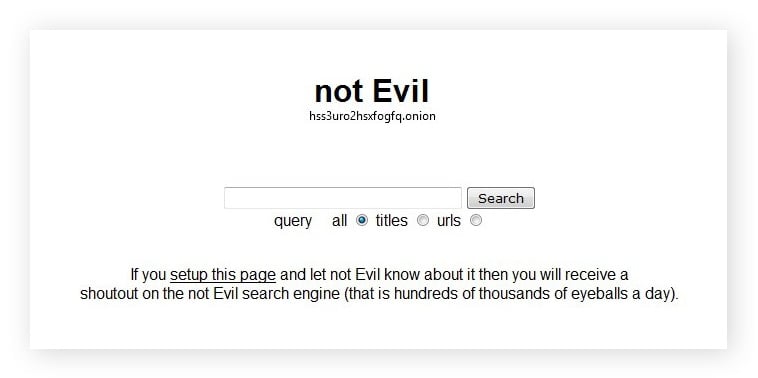
You will find all the necessary .onion links to access any content or service on the dark web. You will need the Tor browser to access these links and the other (hidden) internet, the dark web. The darkweb is a deeper subset accessible only through specialized tools like Tor, where anonymity is prioritized. Use tools like check.torproject.org or DNS leak test websites to confirm. If you’re looking to search links on the deepweb, Ahmia and NotEvil are great tools. Both have their place; however, curated directories can quickly go out of date, while factors such as changed page contents have the search engine indexes as a continual refresh.
Subscribe To Our Blog For More News And Updates!

Behind the easily available sites indexed by search tools such as Google lies the Invisible Web (also referred to as the Deep Web). Accessing the Invisible Web generally involves using specialized search engines or browsers such as Tor. His work empowers journalists, researchers, and privacy advocates to safely access unindexed content. A .onion domain is a cryptographically generated address for Tor-hidden services, ensuring anonymity by routing through multiple nodes without revealing server locations.
How Xanthorox Helps Cybercriminals Generate AI-Powered Malware
This is a huge risk, as the Tor Browser disables JavaScript by default to protect users from being "fingerprinted" or de-anonymized. Users can filter searches to focus on a single network or see blended results. Queries frequently return broken .onion links or irrelevant listings. DeepSearch is an open-source search engine known for its simple interface. DarkSearch is ideal for organizations looking to integrate dark web monitoring directly into their security operations.
Use The Following Search Engines To Access Content That Are Not Indexed By Regular Search Engines Like Google Or Bing
The Deep Web consists of content that all standard search engines cannot index; hence it comprises many legal and important sources. Qwant is a privacy-conscious search engine that distinguishes itself by refusing to track users or censor results. Unlike traditional search engines, Pipl looks through the Invisible Web and retrieves data from social media profiles, public records, and other online sources that are often ignored. This means it doesn’t just pull information from the surface web but dives into deeper, less accessible databases to bring you complete search results. This huge and almost untouched store of knowledge contains vast collections of material ranging from academic papers and government publications to rare databases and concealed websites. Syed Balal Rumy is a seasoned cybersecurity writer and dark web researcher with over 15 years of experience exploring the internet’s hidden corners.
NotEvil is a breath of fresh air for safe, beginner-friendly dark web searches. I also struggled to find NotEvil’s latest .onion address, resorting to DuckDuckGo to confirm it via a security blog. However, a follow-up search for “privacy forum onion” included a questionable link to a marketplace, which I avoided after checking r/onions.
- At a technical level, these engines access the dark web using specialized protocols and networks.
- Other dark web search engines worth investigating are Ahmia, Torch, NotEvil, and the Onion URL Directory—just type out some keywords for what you're looking for.
- The TOR search engines don't always come up with relevant search results for the reasons mentioned above.
- In 2024, I revisited Torch for a cryptocurrency scam forum, entering “crypto scam onion forum.”
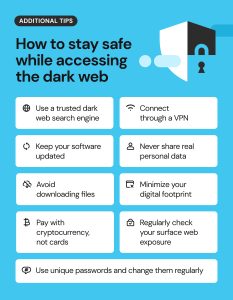
- This part of the internet is highly unpredictable, and a quality VPN like NordVPN is non-negotiable for a safer experience.
Why NET Is A Smart Choice For AI-Driven Software Application Development
For severe issues (e.g., child exploitation), use secure channels like law enforcement tip lines via clearnet proxies, but maintain your anonymity with Tails OS. Search engines like Torch offer dynamic, broad results for in-depth queries but with higher risks of irrelevant or harmful content. Trends like trust metrics and mobile optimization will enhance usability, but regulatory pressures may increase ethical moderation. For full functionality and safety, always use Tor with a VPN—alternatives like proxies are insecure and may leak data. Keep an encrypted offline list of updates to maintain access without interruptions.
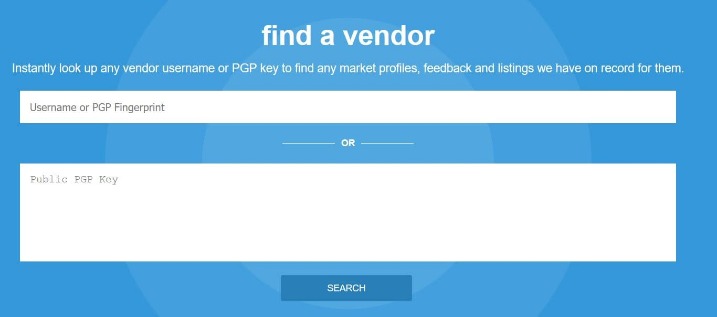
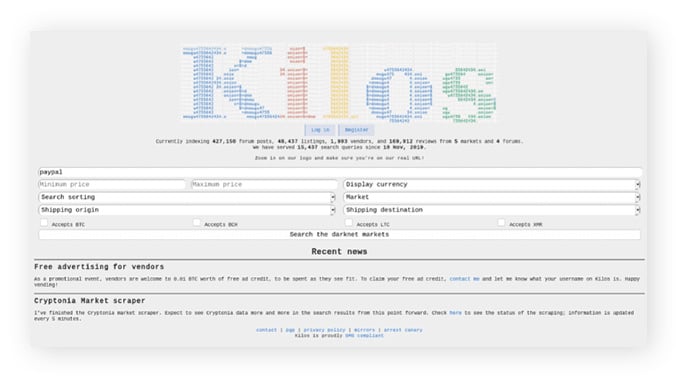
Yet some of today’s biggest risks—such as data breaches, identity theft, and corporate espionage—often originate on the dark web. However, for business leaders and security professionals, ignoring this part of the web is no longer an option. Secondly, the security threats from evil entities are amplified to a level where unprotected surfing is like taking a risk with your life. Although the dark web is mostly linked with illegal drug trades and cyber crime it still plays a vital role for activists, whistleblowers, and individuals in need of safe communication in restrictive areas.
These search engines crawl the deepweb links & URLs and return results just like a surface-level search engine would—but anonymously. At the same time, platforms that don’t censor posts expose users to raw content and sometimes allow people to access illegal or content they don’t want. In fact, Ahmia does filter and index (a bit) websites that publish and/or direct users toward bad, dangerous, or horrible content. Now that we’ve considered how to browse responsibly on the internet, let us explore the top 10 best dark web search engines of 2025 more comprehensively. Our guide to the best dark web search engines breaks down the top tools for exploring the dark web safely. Use categorized directories or reputable search engines to reduce the chance of clicking on spam or malicious links.
To access .onion websites securely, you’ll need the Tor Browser, a privacy-focused tool designed specifically for anonymous browsing. Now equipped with an overview of these essential dark web search engines, you’re ready to conduct your own searches confidently and securely. With that in mind, let’s explore some of the most reliable dark web search engines available today to get you started. Instead, users rely on a handful of specialized search tools, each indexing a different slice of the dark web landscape. Let’s start by demystifying how dark web search engines actually work.
Torch also provides very little context for its search results and offers no real filtering, making it highly inefficient for targeted searches. Its indexing, while broad, is not always reliable, often returning outdated or broken links. Its primary differentiator is a "safety-first" policy.