In 1989, Ian Clarke launched the Freenet project, which aimed to allow anonymous online interactions at a time when internet anonymity was difficult to achieve. Many of these services are legal and legitimate, but they can host illegal content or activity. And where access to popular social media or news sites is censored, dark web links to the same sites can help you stay informed. But just like when you’re online normally, the risks increase depending on what you do while visiting dark web websites. By contrast, to access darknet websites, you need special tools or software like Tor Browser.
The Tor network also gave hackers, terrorists, and distributors of illegal pornography a secure method of communication. The earliest form of the modern dark web arose in March 2000 when Irish student Ian Clarke developed and released Freenet, which offers anonymous communication online via a decentralized network of Freenet’s users. Imperva DSF flexible architecture supports a wide range of data repositories and clouds, ensuring security controls and policies are applied consistently everywhere. While risky and requiring strict operational security, cyber HUMINT gives defenders access to information not available through passive monitoring alone. While using anonymity tools like Tor is not illegal, engaging with criminal networks or transactions is. Some countries restrict access to anonymity tools altogether, while others monitor them closely for signs of criminal behavior.
Excavator Search Engine
The deep web consists of unindexed content not accessible via standard search engines. This is the publicly accessible portion of the internet that can be indexed by search engines. All you need to do is click connect and you are officially connected to the Tor network and can now access dark web websites. However, many are used for illegal activity and onion websites are often popular hangouts for cybercriminals and scammers. It’s only possible to access onion sites through the Tor browser or by setting up some special network configurations.
In addition to these tools, you need to exercise extreme caution when browsing on the dark web because there are tons of phishing and malicious sites on there. With a readable site name like that, people will know what to expect when they click on the link. The keyword in that example is “onioname,” which is right at the start of the .onion link.

The CISO’s Greatest Risk? Department Leaders Quitting
Its clean interface and lack of ads make it much easier to use than other dark web search engines. You need to ensure you’re only accessing reliable dark web sites, and the ones listed below are among the safest ones that currently work. It provides safety and anonymity for journalists, privacy-conscious users, or those in high-censorship countries.
- However, today's most popular search engines — including Google, Bing, and DuckDuckGo — only index a portion of the internet.
- By encrypting communication before it gets to the Tor network, pairing Tor with a VPN gives a second degree of protection.
- Many journalists, alternative news organizations, educators, and researchers are influential in their writing and speaking of the dark web, and making its use clear to the general public.
- While not technically a dark web exclusive site, Sci-Hub is repository offering free access to millions of research papers and articles, bypassing traditional paywalls.
- If you do need to access a dark web website for legitimate reasons, you can check directories like The Hidden Wiki to help find options.
- Only visit trusted websites with URLs that are maintained by a trusted source.
Can A VPN And Tor Make The Dark Web Completely Private And Secure?
I don’t recommend seeking out dark web content unless you have a specific reason to do so. Remember to update the Tor Browser regularly to ensure you have the latest security patches, and scan your computer for malware regularly using antivirus software. Don’t click on random links from strangers while browsing the dark web, and never give away any personal information.
This monitoring helps organizations uncover if they’ve been compromised—such as spotting their brand or employee data being offered for sale. Many sites host or advertise prohibited material, and even accidental interaction with such content can result in legal consequences. This environment lowers the barrier to entry for cybercrime, enabling even inexperienced users to purchase hacking tools and services. These platforms operate with an escrow system to ensure anonymity and transaction security. While the focus on privacy attracts legitimate users, these same features can also shield bad actors from discovery. The dark web provides a framework for secure communication, especially in regions where online activity is monitored.
I review privacy tools like hardware security keys, password managers, private messaging apps, and ad-blocking software. Signal is our Editors’ Choice for private messaging apps because it does a great job of blending privacy and social media functionality for a highly customizable chat experience. If you want to observe the lawless sides of the internet from afar, check out YouTube videos of dark web explorations, like this one from John Hammond, to satisfy your curiosity.
Illegal Content And Explicit Material
DuckDuckGo is built into the Tor browser, making it a convenient option for looking up dark web websites. Some dark web search engines are designed specifically for darknet browsing, while others also work on the clear web. Accessing content on the dark web takes a few extra steps, but it’s not as hard as you might think. Do your research beforehand and don’t click suspicious links.

As Spyware Companies Get Chummy With White House, Apple And WhatsApp Say They’ll Protect Your Phone
The invisible web is made up of data and information that is not indexed and cannot be searched for by using traditional search engines. The deep web is made up of content that search engines such as Google do not index. All the websites and content that isn’t being shown on the “surface web” is generally referred to by many as the “deep web”, “dark web”, or “invisible web.”
What Are Dark Web Websites?
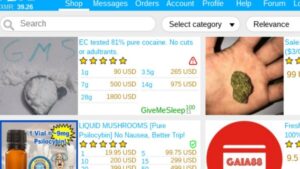
Forums cover the breadth of criminal activity but these examples show there is a particularly thriving community of cybercriminals sharing information, tutorials, access, and exploits. Dark web marketplaces offer mostly illegal products and services in exchange for payment. Our continuously updated content provides in-depth insights into marketplaces, ransomware actors, and hacking forums, helping you stay informed and proactively address challenges to safeguard your organisation or community.
- The software requires two-factor authentication to receive what’s been uploaded by the whistleblower and allows two-way communication between the anonymous contact and the media outlet.
- The internet is an extensive network of millions of servers, databases, and web pages that run continuously.
- The anonymity of cryptocurrencies and direct user connections makes it a lucrative ecosystem, powering both small-scale attacks and large ransomware campaigns.
- But of course, these benefits can be easily extended to those that want to act outside of the constraints of laws in other explicitly illegal ways.
- Stolen data from breaches often ends up for sale on darknet marketplaces.
- For now, it’s vital to get the principle right.
Stay One Step Ahead – Protect Your Data From The Dark Web
Here are the best 20 dark web sites you should check out. Well, as you might have guessed, the dark web version spins very unpalatable search strings, asking the user to guess their equally disturbing answers. For those of you unfamiliar with this, G-Feud is a clear web game where you have to guess the answers to some random or topic-related search strings.
Social networks, such as Facebook, have created dark web versions of their sites to address privacy problems related to their surface web versions. This can often be for political reasons, but also because they may be involved in illegal activities, such as the ones listed above. Silk Road became one of the most famous online black markets on the dark web for illegally selling drugs. The dark web is infamous for containing sites such as Silk Road and other marketplaces where users could potentially buy drugs and/or weapons, stolen credit cards, IDs, and much more.

It organizes links by category, like forums, email services, blogs, and file-sharing tools, which makes browsing easier and more efficient. China, for example, blocks access to the Tor network entirely, treating it as a tool for bypassing government controls. Additionally, a VPN like ExpressVPN masks your IP address before entering the Tor network, making it harder for your internet provider to detect Tor usage.

Things are basically kept hidden on the Deep Web to ensure your information is safe. The fascinating thing about the deep web is that you access it a lot more than you think. It represents about 90% of the internet and has important, and yes, secret information. Shocking as it may seem, this part of the internet makes up only 5% of the entire mass.
The history of the Dark Web reflects the intricate interplay between technology, privacy concerns, and the ever-evolving landscape of online activities. It aimed to provide online privacy by routing internet traffic with a series of volunteer-operated servers, encrypting the data at each step, and making it challenging to trace the user’s identity. On the other hand, the dark web hosts marketplaces and forums where illegal goods and services—such as drugs, weapons, and stolen data—are traded, making it a hotspot for criminal activity. There are various sites on the dark web dedicated to the distribution and discussion of hacking tools, cyberattack services (such as DDoS attacks), and information on data breaches and leaks. These platforms provide services related to illegal activities, such as hacking tools, malware, ransomware, or services for hire (e.g., DDoS attacks, identity theft). Some dark websites serve as platforms for whistleblowers to anonymously share sensitive information.