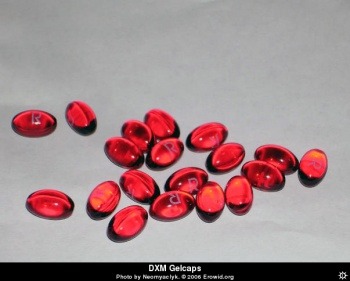
They may suggest a treatment to manage your symptoms and can determine whether you should keep taking dextromethorphan. Mild side effects of many drugs may go away within a few days to a couple of weeks. This section describes some of the more common side effects dextromethorphan may cause. The brand-name medications that dextromethorphan is based on are Delsym and Robitussin Long-Acting CoughGels.
What Drugs Interact With Dextromethorphan?
Lastly if you are on pain medication/opioids I think I'm fine but that only says so much in the grand scheme of things so just be careful and really put some research and time into your decisions. That being said, in my personal opinion just don't take the risk. Look up how long it takes for these to leave your system and take the aforementioned amount of time as a break from your medicine. They cut a lot of DXM products with Guafinesin and Acetaminophen to deter people from abusing it…

Treatment for dextromethorphan (DXM) addiction involves a combination of behavioral therapies, support groups, and emerging therapies. They help healthcare professionals assess the severity of substance use and its impact on the individual. Screening tools for DXM addiction include the DSM-5 criteria, CAGE-AID, DAST-10, and ASSIS. The physical exam helps to assess the overall health of the patient and identify any immediate medical concerns resulting from DXM use. Medical history reviews involve gathering comprehensive information about a patient’s past and current health, including substance use and co-occurring conditions. Long-term brain changes refer to enduring alterations in brain structure and function caused by prolonged substance abuse or chronic conditions.
Addiction Resources
This is not for tripping it is for curing colds you will either get sick or hurt yourself. I'm sure there's a lot of sketchy ways to source this but the only approved source I know of that I've used/use personally is Robotablets from the company robocough. If you are looking for a high dose of DXM…
Symptoms Of Overdose

Once you develop an addiction to DXM, you may experience cravings when you try to cut back or quit using it. There is an uncommon but very serious condition known as Serotonin Syndrome that can be experienced from too much serotonin in the brain. Another common example would be doxylamine, which is found in NyQuil. DXM can, but does not always, make you sleepy if you take it in a small dose as it is intended to be used.
People can become addicted to Triple C and other DXM-containing medications. Illegal Triple C that is sold on the street can pose even more concerns, as it can be produced in a contaminated facility or combined with other drugs and dangerous additives. There is also a misconception that, because Triple C is sold for purchase in a sealed package and in stores, it is safer than drugs sold on the street. These medications are often shoplifted, causing some stores to place them behind the counter. Most people who abuse DXM are teenagers and young adults.
Identify And Address Misuse
Every time you stop taking it, withdrawal symptoms start to appear — prompting you to take more of it to feel normal again. Over time, DXM can form a physical addiction as well. Doing so can dramatically increase the chances of experiencing side effects or overdose. There have been very few deaths from people taking DXM, but there are some potential dangers to be aware of before you take this substance. The effects of DXM at this dose are very similar to being drunk.
Dextromethorphan Cost
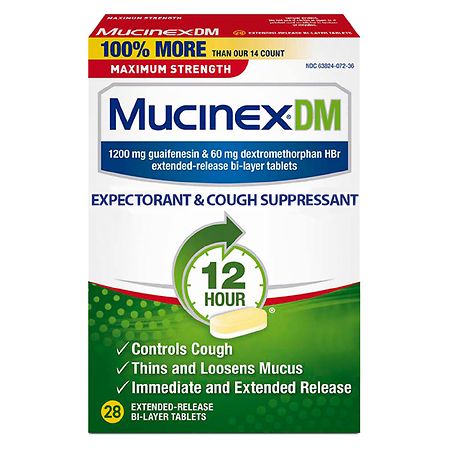
Triple C, a slang term for the over-the-counter (OTC) medication Coricidin Cough & Cold, is abused by young people due to its active ingredient dextromethorphan (DXM), a common ingredient in many OTC cough and cold medications. Dextromethorphan is an active ingredient in many over-the-counter cough and cold medications, and many people abuse it for its psychoactive effects rather than its intended medicinal purpose. The uncertain composition of the illicit options can pose health risks in itself, and over-the-counter medications can include other ingredients, like acetaminophen, that can have long-term health effects such as liver damage. Dextromethorphan is a cough suppressant found in many over the counter cold medications, either alone or in combination with other drugs such as analgesics, antihistamines or decongestants.1 DXM is shorthand for the drug dextromethorphan, a cough suppressant found in several over-the-counter cold medications. Misuse of multisymptom cold medications, rather than use of a cough suppressant whose sole active ingredient is dextromethorphan, carries significant risk of fatality or serious illness.
Hypothetical And Unconfirmed Chronic Side Effects
- As a result of this regulation, 130 drugs have been withdrawn from the market, but drugs containing multicomponent dextromethorphan can be sold over the counter.
- Dextromethorphan is primarily a sigma receptor agonist and an SNRI, and dextromethorphan's effects as a dissociative hallucinogen may be attributed partially to dextrorphan (DXO), a metabolite produced when dextromethorphan is metabolized by the body.
- Dextromethorphan can interact with other medications.
- Misusing DXM can lead to very dangerous side effects and can even be life-threatening.
- In other cases, users may find themselves doing things they would not normally do — long-term DXM abuse can be linked to disordered behavior and paranoia.
A Dextromethorphan-Kratom combo can have serious side effects on health such as lack of coordination, eye wobbles, constipation, liver damage, and tachycardia. At times, Dextromethorphan and marijuana abuse could lead to death. Even extended drug tests don’t include it as their essential part. As such, variabilities in the metabolism can either lead to a failed therapeutic outcome or potential adverse health effects. Whereas the same dose in a poor metabolizer will have oral availability of 80% causing effects for up to 19 hours. In most cases, the DXM withdrawal symptoms require medical attention.
These include acetaminophen or decongestants. When taken in larger amounts, it can distort awareness and alter time perception. Payment of benefits are subject to all terms, conditions, limitations, and exclusions of the member’s contract at time of service.
Start The Road To Recovery
The longer you misuse DXM, the higher your risk will be of developing an addiction to it and experiencing other negative consequences. However, if you take an antidepressant alongside a very high dose of DXM, the risk is going to be higher. If DXM is taken in small doses, as it is intended to be used, any effect it may have on the heart is likely going to be minimal.
Drug Interactions
Although fatalities due to DXM overdoses are uncommon, they have occurred. When DXM is taken with alcohol and/or other drugs, it exacerbates the risks. People who abuse DXM may refer to the experience as “robo-tripping.” The most common way to abuse DXM is to consume large amounts of cough syrup, though it’s becoming more common to ingest capsules or take DXM in powder form.
A doctor may be able to provide a person with medications to help with withdrawal symptoms. However, DXM medications are now available in tablet or capsule form, making it easier for a person to ingest large quantities of the drug. When people take DXM in high doses, it can cause hallucinations and feelings of euphoria.
When responding to a suspected DXM overdose, every minute counts. The presence of additional active ingredients in cough medicines can also lead to multiple types of organ toxicity when large amounts are consumed. When mixed with alcohol, the central nervous system depression effects can be dramatically amplified, potentially leading to respiratory failure. The combination of DXM with other substances presents a particularly dangerous scenario. Pre-existing medical conditions, particularly those affecting the liver or kidneys, can impair the body’s ability to process DXM effectively. Age plays a significant role, with teenagers and young adults being particularly vulnerable due to their tendency to experiment and potentially underestimate risks.
Who Is Most At Risk Of DXM Abuse And Addiction
The typical dosage for treating a cough with DXM is about 15 to 30 mg every three to four hours, with few side effects appearing for most people. DXM belongs to a class of medications known as antitussives, which work to suppress cough by reducing activity in regions of the brain that cause coughing. Medications that contain other active ingredients, such as acetaminophen or guaifenesin, are typically avoided due to the potential side effects that would occur when taken at high doses.