
Nausea and vomiting caused by tramadol are thought to be due to activation of the 5-HT3 receptor via increased serotonin levels. However, the reduction of seizure threshold could be attributed to tramadol's putative inhibition of GABAA receptors at high doses (significant inhibition at 100 μM). However, other studies have found that the analgesic effects of tramadol are significantly decreased or even absent in CYP2D6 poor metabolizers. The highest levels of tramadol were observed with the maximum oral daily dosage of 400 mg per day divided into one 100-mg dose every 6 hours (i.e., four 100-mg doses evenly spaced out per day). Peak plasma concentrations during treatment with clinical dosages of tramadol have generally been found to be in the range of 70 to 592 ng/mL (266–2,250 nM) for tramadol and 55 to 143 ng/mL (221–573 nM) for desmetramadol. Tramadol acts on the opioid receptors through its major active metabolite desmetramadol, which has as much as 700-fold higher affinity for the MOR relative to tramadol.
- Misuse means taking a medicine in a way other than how it was prescribed.
- If any of these effects persist or worsen, tell your doctor or pharmacist promptly.To prevent constipation, eat a diet adequate in fiber, drink plenty of water, and exercise.
- In patients who present with CSA, consider decreasing the opioid dosage using best practices for opioid taper see DOSAGE AND ADMINISTRATION.
- The U.S. Food and Drug Administration (FDA) approved tramadol in March 1995, and an extended-release (ER) formulation in September 2005.
- Operating on the dark web, these platforms allow sellers to evade regulations, posing serious risks to buyers.
Analgesia in humans begins approximately within one hour after administration and reaches a peak in approximately two to three hours. The relative contribution of both tramadol and M1 to human analgesia is dependent upon the plasma concentrations of each compound (see CLINICAL PHARMACOLOGY, Pharmacokinetics). Opioid activity is due to both low affinity binding of the parent compound and higher affinity binding of the O-demethylated metabolite M1 to µ-opioid receptors. Tramadol hydrochloride is a centrally acting synthetic opioid analgesic.
More Info On This Drug
Like other narcotics used to treat pain, patients taking tramadol may abuse the drug and become addicted to it. Antagonism of 5-HT2C could be partially responsible for tramadol's reducing effect on depressive and obsessive–compulsive symptoms in patients with pain and co-morbid neurological illnesses. Serious side effects may include hallucinations, seizures, increased risk of serotonin syndrome, decreased alertness, and drug addiction.
What Happens If I Forget A Dose?
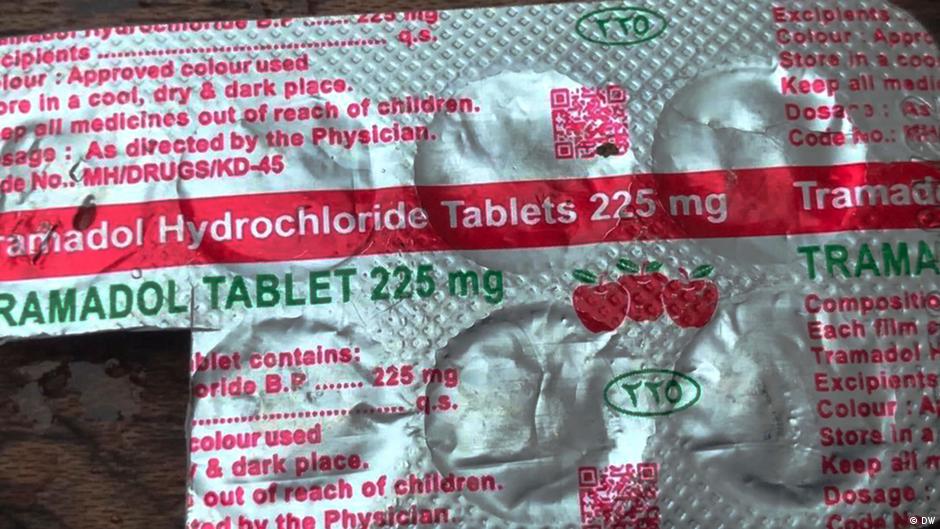
Tramadol hydrochloride is rapidly and almost completely absorbed following intramuscular administration. Following multiple oral doses, Cmax is 16% higher and AUC is 36% higher than after a single dose, demonstrating a potential role of saturable first-pass hepatic metabolism in increasing bioavailability. Steady-state plasma concentrations of both tramadol and M1 are achieved within two days of dosing. Peak plasma concentrations of tramadol and the primary metabolite M1 occur at two and three hours, respectively. Tramadol hydrochloride is administered as a racemate, with both the – and + forms of both tramadol and the M1 metabolite detected in circulation. Tramadol hydrochloride crosses the blood-brain barrier with peak brain concentrations occurring 10 minutes following oral administration.
Tramadol hydrochloride tablet, USP 50 mg are available as white capsule shaped film coated tablets, debossed with “377” on one side and plain on the other side. Acute overdosage with tramadol can be manifested by respiratory depression, somnolence progressing to stupor or coma, skeletal muscle flaccidity, cold and clammy skin, constricted pupils, seizures, bradycardia, hypotension, cardiac arrest, and death. Concerns about abuse and addiction should not prevent the proper management of pain.
Tramadol, Oral Tablet
Metabolism of tramadol and M1 is reduced in patients with severe hepatic impairment based on as tudy in patients with advanced cirrhosis of the liver. Tramadol is known to be substantially excreted by the kidney, and the risk of adverse reactions to this drug may be greater inpatients with impaired renal function. Avoid the use of ULTRAM in adolescents 12 to 18 years of age who have other risk factors that may increase their sensitivity to the respiratory depressant effects of tramadol unless the benefits outweigh the risks. Withdrawal symptoms can occur in breastfed infants when maternal administration of an opioid analgesic isstopped, or when breast-feeding is stopped. No drug-related teratogenic effects were observed in progeny of mice (up to 140 mg/kg), rats (up to 80 mg/kg) or rabbits (upto 300 mg/kg) treated with tramadol by various routes.
DOSAGE AND ADMINISTRATION
Misuse or abuse poses a significant risk to the abuser that could result in overdose and death (see DRUG ABUSE AND DEPENDENCE and OVERDOSAGE). Tramadol should be used with caution and in reduced dosages when administered to patients receiving CNS depressants such as alcohol, opioids, anesthetic agents, narcotics, phenothiazines, tranquilizers or sedative hypnotics. Tramadol-related deaths have occurred in patients with previous histories of emotional disturbances or suicidal ideation or attempts as well as histories of misuse of tranquilizers, alcohol, and other CNS-active drugs (see WARNINGS, Risk of Overdosage). Selective serotonin reuptake inhibitors (SSRI antidepressants or anorectics), Tricyclic antidepressants (TCAs), and other tricyclic compounds (e.g., cyclobenzaprine, promethazine, etc.), or Other opioids.
Drug Interactions
The following table lists the available dosages of tramadol in milligrams (mg). They are available in the form of immediate and extended release tablets. Doctors only prescribe tramadol to people over 12 years old.
Data Collection
In one case study, a 39-year-old male with no history of substance misuse went to the emergency room to get help for tramadol addiction. People may, however, become dependent on tramadol when taking it for more than a few weeks or months. Severe allergic reactions require emergency medical attention. These people should let their doctor know about their condition before taking tramadol.
It is not intended to diagnose or treat any condition or illness or act as a substitute for professional medical advice. "I hurt all over." Is pain that is felt all over the body really just in your imagination? Serotonin and norepinephrine are the two chemicals in the brain directly linked with mood, as well as responsiveness to pain in the body. This can create a ‘narcotic-like’ pain relief effect, which can lead to dependency. As dependency is a risk factor, Tramadol is classified as a controlled substance. The medication itself, is not classified as a narcotic, however.
It acts in the central nervous system (CNS) to relieve pain. It’s best to work with a qualified healthcare professional to taper off the medication slowly. Over time, your body may depend on the drug to function.
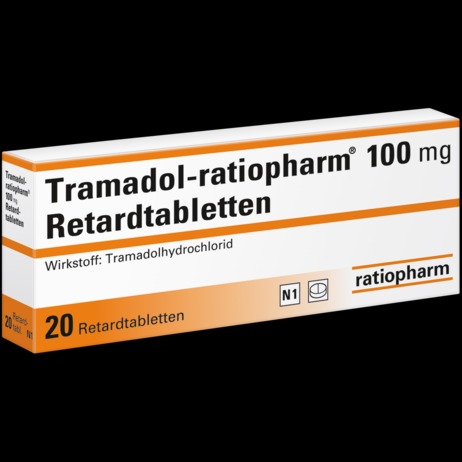

Both enantiomers of tramadol are agonists of the μ-opioid receptor and its M1 metabolite, O-desmetramadol, is also a μ-opioid receptor agonist but is 6 times more potent than tramadol itself. Tramadol induces analgesic effects through a variety of different targets on the noradrenergic system, serotonergic system, and opioid receptors system. Concurrent use of 5-HT3 antagonists such as ondansetron, dolasetron, and palonosetron may reduce the effectiveness of both drugs.
The absolute bioavailability of tramadol was 73% in males and 79% in females. Healthy elderly subjects aged 65 to 75 years have plasma tramadol concentrations and elimination half-lives comparable to those observed in healthy subjects less than 65 years of age. In cirrhotic patients, adjustment of the dosing regimen is recommended (see DOSAGE AND ADMINISTRATION).
Do not drink alcohol or use prescription or over-the-counter medicines that contain alcohol. Tramadol/acetaminophen passes into breast milk. Tramadol/acetaminophen may cause harm to an unborn baby.